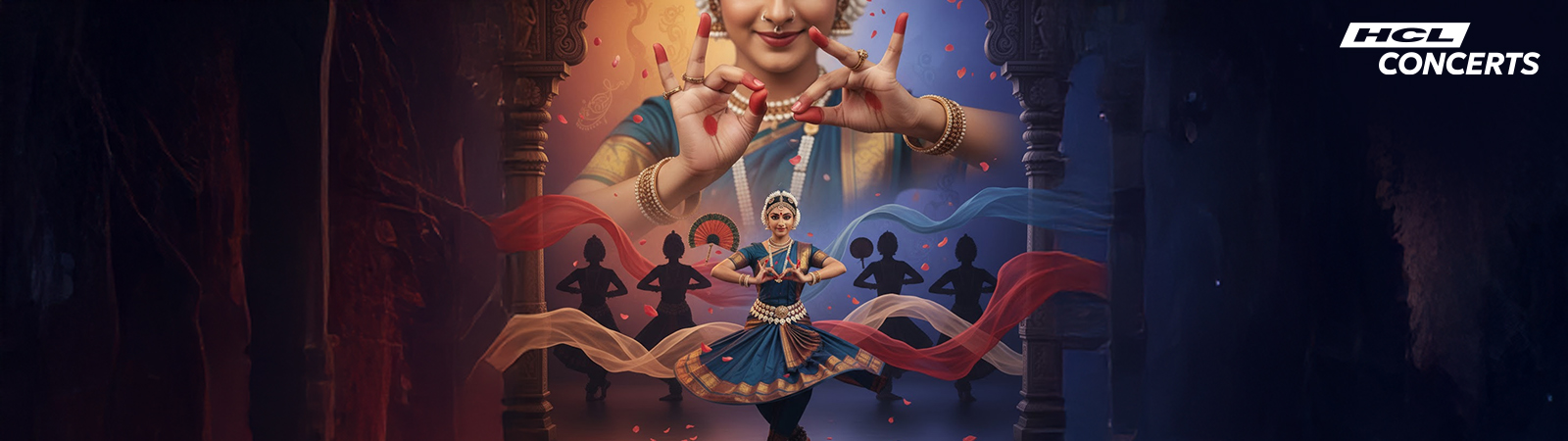
The Role of Abhinaya (Expression) in Storytelling Through Dance
2025-11-25When you first watch a dancer narrating a story without words, you are watching abhinaya unfold; the art of carrying emotion from performer to audience. Think of it as the invisible string that links breath to beat, face to lyric and foot to feeling. You do not need to know the folk or language behind a piece to feel moved; a single look, a hand gesture, or a tilt of the head can carry a world of meaning straight to you. In Indian classical traditions, expression is not an add-on; it is the narrative engine. It shapes how you recognise a hero, pity a lover, or tremble at a god’s fury. As someone who loves music and listens for stories in sound, you will find that when music and expression align, a performance becomes a living story rather than just a sequence of steps.
The Concept of Abhinaya
Imagine music as the river and dance as the boat; abhinaya is what drives the ship toward shore. It is the way dancers translate emotion, narrative and devotion using not just movement but a whole language of signs. You watch a sequence of gestures, and the music wraps around them; together, they convert an old tale into something you experience now. In Indian aesthetic theory, abhinaya is described as the mechanism that awakens rasa in the spectator, the emotional flavour you carry home long after the curtain falls. This blend of cause, effect and transient feelings makes you more than a passive viewer; it invites you into the moment.
Four categories of Abhinaya
Abhinaya unfolds through four distinct but interlocking channels. Each one is like an instrument in an ensemble; together they form the complete orchestration of story and feeling. The classical texts categorise these elements and instruct performers on how to weave them together.
Angika – expression through body, gestures, and postures
When you see fingers signifying a leaf, eyes tracing the path of an absent lover or a torso folding in shame, you are watching angika in action. It covers everything from mudras (hand gestures) to the subtlest eye and neck movements. If music provides the rhythm, angika sculpts the shapes that give the music meaning. Practice in angika trains your eye to read the grammar of the body and lets you follow the story even when no words are spoken.
Vachika – expression through speech, song, and sound
Not all storytelling in dance is silent. Vachika brings lyrics, voice and sound into the fold. Sometimes the dancer sings or speaks, and often the vocalist or poet supplies the narrative. For you as a listener, Vachika is the text that the music and movements illustrate; it anchors the gestures and gives the plot a verbal backbone. In many performances, the sync between vocal line and movement is where the magic happens, rhythms echo in your chest while the words fall like images.
Aharya – costumes, makeup, ornaments, and props
Costume is not mere decoration; it is the theatre of identity. Aharya dresses the character for you to recognise instantly as a king, shepherd, deity or demon. Jewellery catches the light and focuses your gaze, while makeup highlights facial features, so expressions read clearly across distance. When you think of majestic headgear in a ritual drama or the fan of pleats in a temple dance, you are naming Aharya’s power to turn a body into a role.
Sattvika – inner emotional expression (bhava) reflected naturally
The quietest and most demanding is sattvika. It is the truth of feeling rising through the performer: an involuntary tremor, a tear forming, a voice catching. Sattvika is what convinces you that sorrow, joy, or devotion is not merely acted upon but lived. When this inner spark lights up, the entire room changes; you sense authenticity rather than technique, and the rasa blooms. This is the moment you stop counting steps and start feeling.
Abhinaya in Classical Dance Forms
India’s classical dances are each like a distinct musical instrument in an orchestra. They share the same grammar of abhinaya, but each voice it in its own accent and scale. The way a story reaches you in Bharatanatyam will differ from how it reaches you in Kathak or Kathakali, yet all draw from the same ancient script that teaches expression as the heart of performance.
Bharatanatyam
In Bharatanatyam, the poet and the sculptor meet on stage. You encounter precise geometries of posture and a sculptural stillness where the face becomes a landscape of feeling. Costumes and jewellery are part of the vocabulary, and the dancer negotiates the story through measured gestures and rhythmic punctuation. The music you hear is often Carnatic, and the dance forms a conversation, where each beat is a sentence and each expression a paragraph. When you watch, let your ear follow the singer and your eye rest on the gestures; together they complete the sentence.
Kathak
Kathak tells stories like an improvising storyteller who knows how to surprise you. It emphasises footwork, spins and subtle facial storytelling. Originating from North India, its tales often revolve around Krishna or courtly love, and the rhythmic footwork and ankle bells create a percussive voice that complements and responds to the melody. For you, the experience is equal parts rhythm and narration; your heartbeat syncs to the dancer’s footwork while the face narrates the soul of the story.
Odissi
Odissi’s line is a liquid calligraphy; the torso and tribhangi posture offer a continuous flow where each curve reads like a musical legato. You feel devotion and lyricism intertwined; the music often rides a slower current, and the mood is reflective. When Abhinaya rises in Odissi, it does so with a softness that draws you inward, like listening to a slow, reverent raga.
Kathakali
If theatre had a costume that spoke louder than words, it would be Kathakali. Here, Aharya is overwhelmed by paint, headdress, and dramatic poses, while Angika and Sattvika struggle to keep the inner life vivid beneath the heavy makeup. Kathakali is a dance-drama shaped by epic narratives, and when you watch it, you feel the grandeur of the music, percussion, and expressive acting converge to make myth visible.
Mohiniyattam & Manipuri
Mohiniyattam moves with a gentle sway and is often steeped in feminine grace and bhakti. Manipuri, originating from the northeastern plains, embodies ritual and communal storytelling with a lyrical, floating quality. Both forms place a premium on subtle facial and eye work; for you, the impact is intimate, drawing you into a sacred conversation that feels personal and immediate.
The Rasas (Emotional Flavours) and Abhinaya
Rasa means the felt emotion a performance creates in you; the mood you leave the hall with. Classical theory names a set of core rasas (for example: love, courage, compassion, anger, disgust, wonder, sadness, and peace).
Abhinaya is the tool that produces those rasas. Through facial expressions, hand gestures, body language, voice and costume, the performer shows the causes and signs of an emotion. When these elements line up, the music, the gesture, the look, the timing, the rasa becomes clear to you.
For example, a slow head tilt with softened eyes, supported by a melancholic melody and a bent posture, signals sadness; you recognise and feel that sadness. In short: rasas are the emotional outcomes, and abhinaya is the practical method performers use to create them.
Conclusion
When you come to a performance with an ear for music and an eye for nuance, abhinaya becomes your guide. It teaches you how to listen and how to read a human face as if it were a page in a book. Whether it is the sculpted geometry of Bharatanatyam, the percussive storytelling of Kathak, the theatrical sweep of Kathakali or the meditative flow of Odissi, expression ties sound to story and invites you inside. If you want to deepen this relationship, seek out performances where music and expression are carefully curated together. Visit platforms that celebrate classical music and dance. HCL Concerts, for example, connects timeless music with modern audiences, allowing you to experience these stories live or online – a simple way to let abhinaya move you in real time. Book a concert, sit close to the stage and stream with good sound, and let the gestures and the voice tell you what the steps only begin to show.