HCL Concerts Blogs
-
 16th Nov 2026
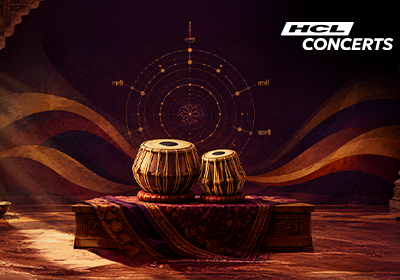
Understanding Tala in Hindustani Classical Music: Rhythm and Cycles
Tala is the rhythmic framework of Indian classical music, with deep roots. The Natyashastra, attributed to Bharata Muni, treats rhythm and time as integral to performance. Sharngadeva’s thirteenth-century treatise, the...
Read More -
 12th Nov 2026
Time Theory of Ragas in Indian Classical Music
Indian classical music has always been closely tied to time. The time theory of ragas, known in Sanskrit as Samay Siddhant, holds that a raga achieves its full emotional and...
Read More -
 05th Nov 2026
Kathak Dance: History, Gharanas & Signature Techniques
Kathak is one of the eight classical dance forms recognised by India’s Sangeet Natak Akademi. Its name comes from the Sanskrit word katha, meaning story. The Kathakars, or storytellers, who...
Read More -
 01st Nov 2026
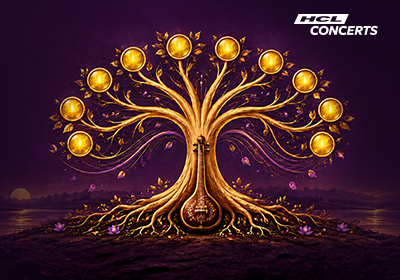
What Are Thaats in Hindustani Music? A Guide to the 10 Thaats
A thaat is a parent scale from which ragas are derived. Indian music has long grouped notes into scales and modes. Ancient treatises such as Bharata’s Natya Shastra and Sarngadeva’s...
Read More -
 28th Oct 2026
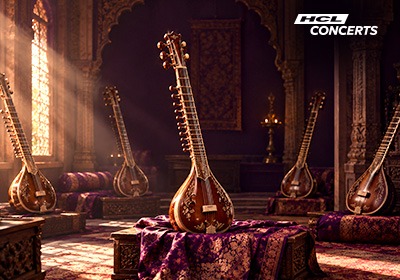
The Role of Sitar in Hindustani Classical Music
The sitar reached a global audience in the 1960s: George Harrison played it on the Beatles’ “Norwegian Wood” in 1965, and Brian Jones used it on the Rolling Stones’ “Paint...
Read More -
 21st Oct 2026
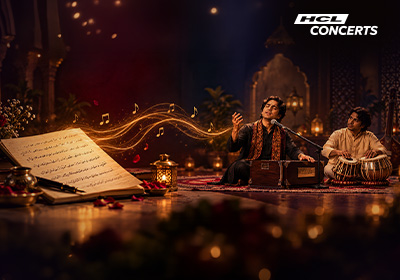
Ghazal Music for Beginners: The Poetry Behind the Melody
Have you ever listened to a ghazal and found yourself paying more attention to a particular line than to the music around it? You may not even know exactly why...
Read More