HCL Concerts Blogs
-
 10th Aug 2026
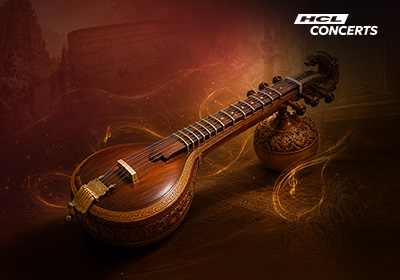
Veena in Carnatic Music: History & Significance
What Is the Veena? If Carnatic music has a queen among its instruments, it is the veena. No other instrument is so tightly woven into the culture’s imagination: it rests...
Read More -
 24th Jul 2026
Gharanas of Hindustani Music: Why the Same Raga Sounds Different
Listen to the same raga performed by two different musicians, and you may feel as if you are hearing two entirely different musical worlds. This ability to balance a shared...
Read More -
 20th Jul 2026
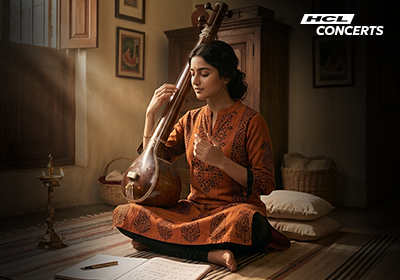
The Importance of Riyaz in Hindustani Music
Picture a single lamp burning before dawn. A musician sits cross-legged, eyes closed, drawing out one long, unbroken note while the house still sleeps. No audience, no applause, no recording,...
Read More -
 14th Jul 2026
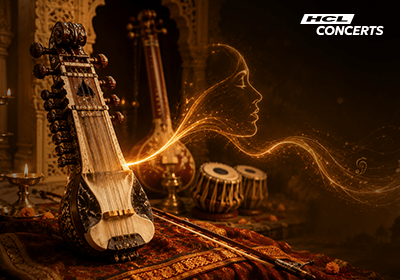
Why the Sarangi Is Known as the Voice of Indian Classical Music
On a Hindustani stage, the vocalist is rarely alone. Just to one side sits a second musician, bowing a small instrument, shadowing the singer note for note, sliding when they...
Read More -
 09th Jul 2026
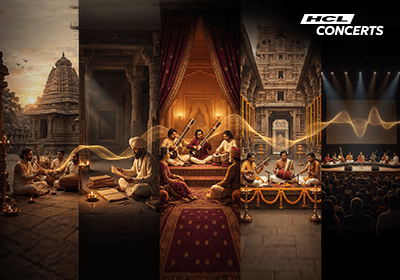
The History of Indian Classical Music and Its Enduring Legacy
Few things on earth have been sung continuously for three thousand years. Empires have risen and fallen, languages have been forgotten, yet the same ragas that echoed through ancient temples...
Read More -
 07th Jul 2026
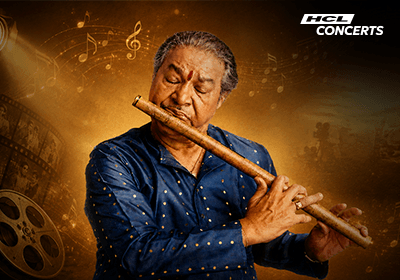
How Pandit Hariprasad Chaurasia’s Bansuri Defined Indian Cinema
Anyone who has sat through a Yash Chopra’s romantic movies knows the sound before they can name it: a calming flute slips in beneath the dialogue, and suddenly the whole...
Read More