Jugalbandi: The Art of the Duet in Classical Music
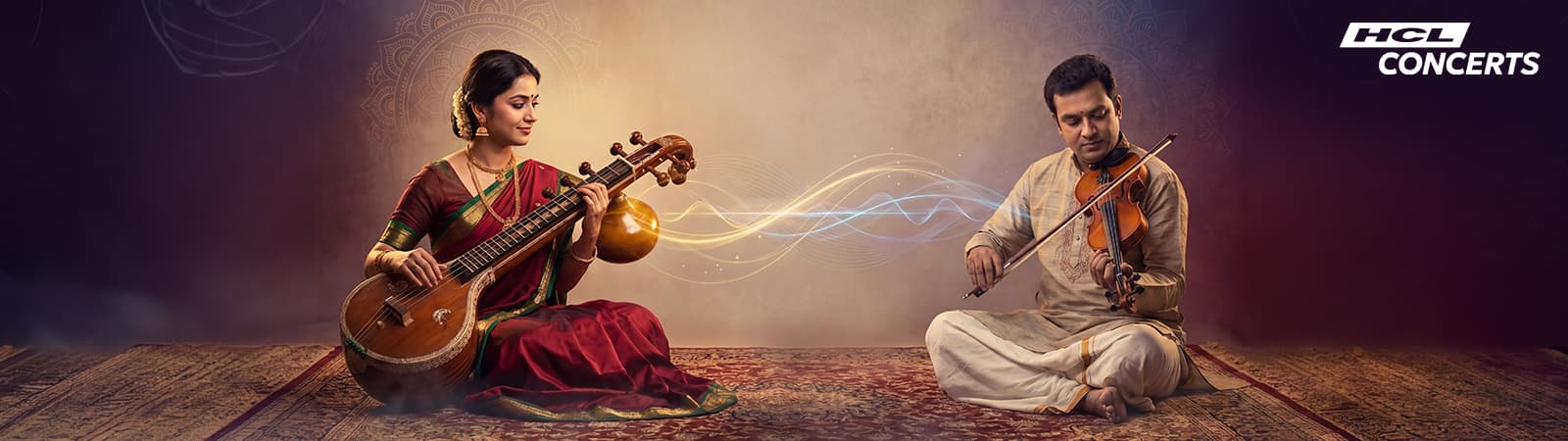
2026-05-04Picture this! The lights dim slowly. The stage is quiet for a moment. Then two artists take their place. One begins with a soft phrase. The other listens, smiles, and responds. What follows is not a performance in the usual sense, but a conversation. Notes move back and forth. One leads, the other follows. Then they switch. The rhythm builds. Energy rises. The audience leans in without even realising it. This is the magic of a jugalbandi. It is not just music, but an exchange. It is a shared space where two minds meet through sound. In live concerts, this moment often becomes the most memorable part of the evening.
What is Jugalbandi?
At its core, a jugalbandi is simple. It is a duet between two musicians. They perform together, but each keeps their own identity. There is no fixed leader. Both artists have equal space. They respond to each other in real time. You do not need a deep knowledge of classical music to enjoy it. The beauty lies in how naturally the music flows between the two performers. It feels alive and fresh every time.
Core Idea Behind Jugalbandi
The main idea is conversation. Think of it like two people talking, but instead of words, they use music. One artist plays a phrase. The other answers. Sometimes they agree. Sometimes they challenge each other. This creates a balance between harmony and contrast. In both Hindustani classical music and Carnatic music, this exchange is built around raga compositions. Each artist explores the same raga but brings their own style into it. This is what makes every jugalbandi unique. There is also a sense of respect. Even when the music becomes intense or playful, the artists support each other. The goal is not to compete. It is to create something together.
Types of Jugalbandi
Jugalbandi can take different forms. Sometimes, two artists from the same tradition perform together. For example, two vocalists from Hindustani classical music may present a duet.
At times, it becomes more interesting. Artists from different styles come together. A singer from Carnatic music may perform with a Hindustani instrumentalist. This creates a blend of styles, techniques, and expressions. There are also instrumental jugalbandis. You may see a sitar and a violin, or a flute and a veena, sharing the stage. Each instrument brings its own colour. Together, they create a rich and layered sound.
Jugalbandi vs Solo Performance – What’s Different?
Before you listen to a jugalbandi, it helps to understand how it differs from a solo performance. The experience is quite different for both the artist and the audience.
| Aspect | Jugalbandi | Solo Performance |
|---|---|---|
| Number of Artists | Two equal performers | One main performer |
| Structure | Interactive and flexible | More structured and planned |
| Flow | Based on exchange and response | Follows a single artist’s journey |
| Energy | Dynamic and unpredictable | Steady and controlled |
| Focus | Shared between two artists | Centred on one artist |
| Audience Experience | Engaging and surprising | Immersive and focused |
In a solo performance, you follow one voice. In a jugalbandi, you follow a dialogue. This shift makes a big difference in how music feels.
Why Jugalbandi is So Engaging for Audiences
There is something about a jugalbandi that holds attention from start to finish. Even someone new to classical music can feel drawn into it. The format naturally creates excitement. It is not just about skill. It is about connection, timing, and spontaneity. Each moment feels fresh.
Element of Surprise
In a jugalbandi, nothing feels predictable. One artist may take the music in a certain direction. The other may respond in an unexpected way. This keeps the audience curious. You are always wondering what will come next. This sense of surprise makes the experience lively. It feels like watching a story unfold in real time.
Energy and Dynamism
The back-and-forth nature of a music duet creates energy. As the tempo builds, both artists push each other. The rhythm becomes stronger. The phrases become faster and more complex. This creates a sense of movement. The performance does not stay in one place. It grows and evolves. The audience can feel this shift, even without understanding the technical details.
Emotional and Intellectual Appeal
A jugalbandi works on two levels. Emotionally, it can be very moving. The blend of two styles creates depth. There are moments of calm, joy, tension, and release. At the same time, it also appeals to the mind. Listeners can notice patterns, variations, and clever responses. This makes it interesting for both casual listeners and trained ears.
How to Listen to a Jugalbandi
If you are new to jugalbandi, you do not need to worry about understanding everything. Just listening with attention is enough. Over time, you will start noticing more details. Here are a few simple ways to enjoy a jugalbandi performance more deeply.
Listen for the Conversation
Try to follow how the two artists interact. Notice when one starts a phrase and how the other responds. It may feel like a question and answer. This is the heart of a jugalbandi. The more you focus on this exchange, the more engaging it becomes.
Identify Patterns and Variations
In raga compositions, certain patterns repeat. Listen for these. Then notice how each artist changes or builds on them. These variations show creativity. They also reveal each artist’s style. Even small changes can make a big difference.
Observe the Build-Up
Most jugalbandi performances start slowly. The artists introduce the raga. Then they gradually increase the pace. Pay attention to this build-up. It creates a sense of journey. By the time the performance reaches its peak, the energy feels earned.
Watch the Interaction
If you are at live concerts, watching is just as important as listening. Notice eye contact, smiles, and gestures between the artists. These small moments show how closely they are connected. Sometimes, a simple nod can lead to a powerful musical exchange.
Famous Jugalbandi Performances and Artists
Over the years, many artists have shaped how we experience jugalbandi today. Some performances feel timeless because they show true balance between two musical minds. They remind us that a jugalbandi performance is not about showing skill alone. It is about listening, responding, and building something together.
On platforms like HCL Concerts, this tradition continues to grow through carefully curated live concerts and digital sessions. These performances bring both seasoned listeners and new audiences closer to classical music.
One beautiful example is the duet between Murad Ali Khan and Fateh Ali Khan. Their performance brings together the sarangi and sitar in a deeply expressive exchange. The music flows like a conversation, where melody and emotion move seamlessly between the two artists.
Another notable pairing featured by HCL Concerts is Adnan Khan and Dhruv Sangari. Their performance reflects how two vocalists can explore the same raga compositions while still keeping their own voices distinct. Their performance shows how subtle variations can create something fresh each time.
There are also performances that blend tradition with a modern touch. For instance, Ustad Mujahid Hussain Khan performing with Rock Veda Band brings together Hindustani classical music and contemporary sounds. This kind of collaboration shows how jugalbandi can evolve while still holding on to its roots.
These performances highlight an important idea. A jugalbandi is not limited to one format. It can exist between instruments, between voices, or even between different musical styles. What remains constant is the spirit of exchange.
Alongside these, legendary collaborations like Pandit Ravi Shankar and Ustad Ali Akbar Khan have set the foundation for how jugalbandi is understood today. Similarly, vocal duets such as Pandit Bhimsen Joshi and M. Balamuralikrishna brought together Hindustani classical music and Carnatic music in a powerful way.
Each of these duos shows something different. Some focus on technical brilliance. Others focus on emotional depth. But all of them share one thing. They create a space where music becomes a shared language.
When you listen to these performances, you begin to understand why jugalbandi holds such a special place in classical music. It is not just about two artists performing together. It is about two ideas meeting and growing in real time.
Conclusion
A jugalbandi is one of the most engaging forms of classical music. It is simple to understand, yet rich in depth. The idea of two artists sharing a musical space makes it special. Reading about it can give you an idea. Listening to recordings can help you appreciate it more. But the real magic happens in live concerts. The energy, the connection, and the spontaneity come alive on stage. If you get a chance, experience a jugalbandi performance in person. Sit back and listen. Let the conversation unfold. You may find yourself drawn into a world where music speaks in its own language.