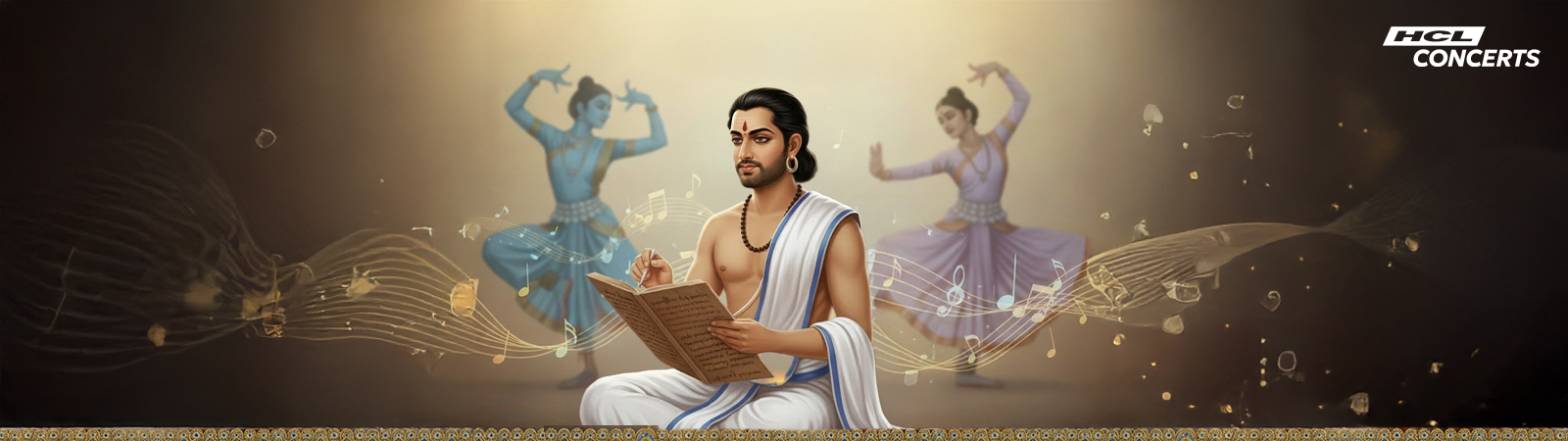
Impact of Kalidasa’s Work on Indian Classical Music and Dance Forms
2025-12-08Kalidasa is widely regarded as the greatest Sanskrit poet and dramatist in Indian history. His writings go beyond literature and touch many aspects of Indian culture. His verses carry rhythm, melody and emotion that blend naturally with the language of music and dance. Through his poetic imagination, Kalidasa gave voice to love, devotion and the beauty of nature. His characters express emotions that feel both human and divine. Even today, musicians and dancers find meaning in his words and bring them to life through sound and movement. His influence on Indian classical music and dance remains timeless, showing how literature and performance can come together to express beauty and truth.
Kalidasa’s Literary Legacy
Kalidasa lived during the Gupta period, around the fourth to fifth century CE, which is often called the golden age of Indian art and literature. His mastery of Sanskrit and his ability to express deep emotions through simple yet powerful words made him one of India’s greatest poets and playwrights. His works reflect themes of nature, love, devotion and the beauty of human experience. His best-known works include the following.
Plays
Abhijnanasakuntalam tells the love story of King Dushyanta and Shakuntala, whose separation and reunion are filled with emotion and divine grace. It beautifully presents the themes of love, loss and destiny.
Malavikagnimitram is a romantic drama that centres on King Agnimitra’s love for the court dancer Malavika. It blends humour, music and dance with Kalidasa’s poetic touch.
Vikramorvashiyam tells the story of Urvashi, a celestial nymph, and King Pururavas. It shows how human love and divine destiny are closely connected. The play captures their longing, separation and the eternal pull between heaven and earth.
Poems
Meghadutam follows a love-sick Yaksha who sends a message to his distant wife through a passing cloud. Its verses are filled with musical rhythm and vivid imagery.
Raghuvamsa celebrates the royal lineage of King Raghu, including the life and virtues of Lord Rama. It combines grandeur with lyrical elegance.
Kumarasambhavam tells the divine story of the birth of Kartikeya, the son of Shiva and Parvati. It portrays beauty, love and spiritual awakening through rich, musical language.
Impact on Indian Classical Music
Kalidasa’s works have connected poetry and music in the Indian tradition. His verses move with rhythm and emotion. This is very similar to the melodies in a raga. Musicians have drawn inspiration from his words, finding structure and feeling within them. Both Hindustani and Carnatic styles reflect his influence.
Lyrical Influence
Kalidasa’s verses carry a natural musical rhythm. His use of poetic metres such as Mandakranta gives his poetry a flowing and melodic quality. The lines move in patterns that resemble the movement of a raga: smooth, emotional and expressive.
Musicians often find inspiration in the vivid imagery of his poems. In Meghadutam, for example, a cloud travels across India, and each verse captures the sounds of rain, birds and thunder. These natural sounds echo the emotions that ragas express.
Many of his verses have been adapted into classical compositions over the years. The lyrical nature of his writing blends well with both Hindustani and Carnatic musical traditions. His words give musicians a strong base to express emotion through melody and rhythm.
Kalidasa also influenced how rasa, or emotion, is experienced in music. His works often explore several of the navarasas such as shringara, the rasa of love, karuna, the rasa of compassion or sorrow, and shanta, the rasa of peace. These align closely with musical moods. When artists perform ragas inspired by themes of rain, love or devotion, they connect deeply with the emotions expressed in Kalidasa’s verses.
Raga Rasa Connection
The bond between raga and rasa lies at the core of Indian classical music, and Kalidasa’s works give life to this connection. A raga gives sound its structure, while rasa adds emotion to it. Kalidasa’s poetry is full of rasa, and each verse creates a unique mood that blends naturally with musical feeling.
In Meghadutam, the mood of karuna rasa, or compassion, and viraha shringara, the pain of separation, fills every line. Musicians often associate this poem with monsoon ragas such as Megh or Miyan ki Malhar, which carry similar emotions of longing and peace. The calm flow and emotional rise of the poem mirror the movement of a raga.
In Kumarasambhavam, which tells the divine story of Shiva and Parvati, shringara rasa, or love, takes centre stage. Musical forms that express divine or romantic love often draw from the poem’s gentle rhythm and emotional depth.
Kalidasa understood sound and rhythm beyond the surface of words. He described the hum of bees, the rustle of trees and the song of a lover’s call with precise detail. These sounds bring his poetry to life by linking nature and emotion with music. For many musicians, performing pieces inspired by Kalidasa becomes a way to renew the ancient bond between poetry and melody, where feelings find their voice through sound.
Influence on Classical Dance Forms
Kalidasa’s influence is not limited to words or music. It extends powerfully into dance. His stories are rich in emotion and symbolism, filled with scenes that dancers can bring to life through abhinaya, or expressive storytelling, and nritta, or pure dance.
Bharatanatyam
In Bharatanatyam, Kalidasa’s plays and poems have been adapted into dance compositions for decades. Dancers find his themes and characters rich with expressive possibilities. Works such as Abhijnanasakuntalam and Meghadutam are favourites because they offer strong emotions, dramatic storytelling and lyrical imagery.
The story of Shakuntala, for instance, portrays love, loss and reunion, emotions that Bharatanatyam captures beautifully through sanchari bhavas, or transitory feelings, and vakyartha abhinaya, the expression of meaning through gesture and movement. The dancer uses hand gestures, facial expressions and rhythm to depict Shakuntala’s journey from innocence to separation and finally to reunion.
Kalidasa’s descriptions of nature, blooming flowers, flowing rivers and gentle breezes fit naturally into Bharatanatyam’s visual language. His poetry feels alive when performed through dance. It blends movement with music to express both physical and emotional rhythm.
Kathak
Kathak is known for its graceful storytelling and intricate footwork, and this classical dance form also draws inspiration from Kalidasa’s work. His plays offer ready-made narratives for interpretive dance pieces. Themes of romance, longing and divine love found in Vikramorvashiyam and Abhijnanasakuntalam often appear in Kathak recitals.
In Vikramorvashiyam, Urvashi, a celestial dancer, embodies both divine grace and human emotion. Her character fits perfectly with Kathak’s expressive storytelling style. Dancers use delicate movements, expressive eyes and rhythmic spins to portray her feelings of love and separation.
Kalidasa’s storytelling style mirrors Kathak’s balance of rhythm and drama. His verses move with a tempo similar to Kathak’s tihai patterns and tatkar footwork. Through abhinaya, dancers express the same emotional depth that his words convey, turning poetry into performance.
Manipuri, Odissi, and Mohiniyattam
Kalidasa’s influence also extends to Manipuri, Odissi, and Mohiniyattam. These three classical dance forms combine spirituality with storytelling. Mythological figures from his works often serve as sources of inspiration in these traditions.
- In Manipuri, known for its gentle and spiritual movements, the emotion in Meghadutam connects deeply. The dancer’s slow and flowing gestures reflect the poem’s quiet longing and calm mood.
- In Odissi, which is known for its lyrical expression and graceful poses, Kalidasa’s vivid imagery becomes a rich source of inspiration. The characters of Urvashi, Parvati, and Shakuntala that he has presented intermingle through poses and movements, thus uniting the divine love and nature’s rhythm. Odissi dancers often use excerpts from Kumarasambhavam to express feminine grace and devotion.
- In Mohiniyattam, the soft and flowing dance form from Kerala, Kalidasa’s portrayal of women’s emotions, tender, strong, and expressive, fits beautifully. Dancers embody the inner world of his heroines, translating poetic emotion into movement.
Kalidasa’s poetry acts as both story and emotion across these dance forms. His imagery turns into gestures, and his rhythm flows into movement. His art continues to live on stage, timeless and full of life, through these performances.
Timeless Appeal Through the Ages
Kathak is known for its graceful storytelling and intricate footwork, and this Indian classical dance form also draws inspiration from Kalidasa’s work. His plays offer ready-made narratives for interpretive dance pieces. Themes of romance, longing and divine love found in Vikramorvashiyam and Abhijnanasakuntalam appear often in Kathak recitals.
In Vikramorvashiyam, Urvashi, a celestial dancer, embodies both divine grace and human emotion. Her character is ideal for Kathak’s expressive storytelling style. Dancers use delicate movements, expressive eyes and rhythmic spins to portray her feelings of love and separation.
Kalidasa’s storytelling mirrors Kathak’s balance of rhythm and drama. His verses move with a sense of tempo similar to Kathak’s tihai patterns and tatkar footwork. Through abhinaya, dancers express the same emotional depth that his words convey, turning poetry into performance.
Conclusion
Kalidasa’s influence on Indian classical music and dance is deeply rooted. His poems naturally connect words, sound and movement. Musicians feel the rhythm and emotion in his lines, while dancers see stories rich with expression. From Abhijnanasakuntalam to Meghadutam, every verse feels alive with performance.
His work continues to shape how artists understand raga, rasa and abhinaya. Forms such as Bharatanatyam, Kathak, Manipuri, Odissi and Mohiniyattam reflect his creative spirit. Every melody drawn from his poetry and every movement inspired by his imagery keep Kalidasa’s art alive even today. Through initiatives taken by HCL Concerts, the legacy of Kalidasa remains strong, reminding us of that art at its best unites words, rhythm and emotion into a timeless experience.