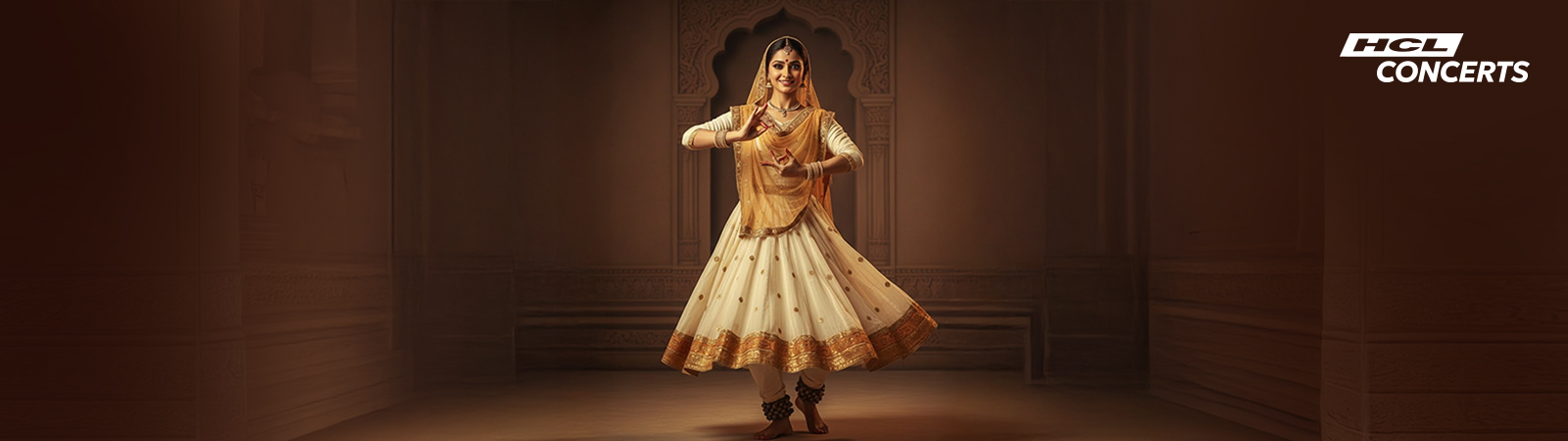
Kathak Dance: History, Gharanas & Signature Techniques
2025-12-18Ever wondered what it feels like to witness stories come alive through movement? Kathak dance, a jewel among North Indian dance styles, does exactly that. Every twirl, every rhythmic footfall, and every expressive gesture transports you into tales of gods, kings, and timeless legends.
Originating centuries ago in northern India, Kathak blends storytelling with intricate rhythm and fluid grace, making it both a feast for the eyes and a journey for the soul. From the mesmerising spins to the delicate hand gestures, the dance reflects devotion, emotion, and sheer artistry.
Whether you are a seasoned classical music enthusiast or someone discovering Indian dance forms for the first time, Kathak welcomes you with open arms. Today, join us as we explore the rich history, signature techniques, and cultural legacy of Kathak, and uncover why it continues to captivate audiences worldwide.
Historical Background of Kathak
Kathak traces its roots to ancient northern India, where dancers, known as Kathaks, narrated mythological stories through expressive movements. The word ‘Kathak’ derives from ‘Katha’, meaning ‘story,’ emphasising its narrative essence.
Originally performed in temples, Kathak depicted tales of Lord Krishna’s playful exploits and other sacred epics. With the Mughal era, Kathak evolved, integrating Persian influences and courtly elegance. This transformation added sophistication to its footwork, spins, and expressive storytelling, blending spiritual devotion with royal finesse. Over centuries, Kathak became a bridge between devotion and artistry, making it one of the most celebrated classical dances of India.
Kathak – The Storytelling Dance of North India
At its heart, Kathak is about storytelling. Every movement, spin, and gesture is designed to communicate emotion, whether it’s love, valour, devotion, or mischief.
Imagine a performance where the rhythmic clatter of ghungroos (ankle bells) syncs perfectly with tabla beats, while expressions narrate Krishna’s tales or heroic episodes of Rajput warriors. This interplay of rhythm, expression, and narrative defines Kathak, making it not just a dance but an immersive experience that touches your heart.
Major Gharanas of Kathak
The diversity in Kathak emerges most vividly through its gharanas, or stylistic schools, each with its unique flavour and emphasis. Let’s journey through the major gharanas that have shaped this dance form.
Lucknow Gharana
Step into the graceful world of the Lucknow Gharana, renowned for its elegance and expressiveness. Here, Kathak is a dialogue of subtle gestures, gentle movements, and refined abhinaya (expressions). Originating in the royal courts of Lucknow, this gharana prioritises storytelling, highlighting emotional depth over fast footwork.
The intricate facial expressions and delicate hand gestures breathe life into tales of love and devotion. Imagine a performance where every flutter of the eyelids and curve of the hand draws you deeper into the story. This is the magic of Lucknow Kathak.
Jaipur Gharana
If you crave energy and dynamism, the Jaipur Gharana will enthral you. Emerging from the royal courts of Rajasthan, this style is celebrated for its vigorous footwork and impressive spins.
Jaipur Kathak emphasises rhythm and technical brilliance, with compositions such as toda, tukda, and paran that challenge both the dancer and the audience. Picture a dancer’s ghungroos striking the floor in perfect sync with a tabla, producing patterns so intricate they mesmerise from the first beat to the last.
Banaras Gharana
The Banaras Gharana blends the narrative grace of Lucknow with the rhythmic complexity of Jaipur, creating a unique, soulful experience. This style emphasises expressive storytelling and vibrant stage presence.
Dancers often draw inspiration from devotional themes, particularly Lord Krishna’s life, delivering performances rich in emotion and rhythm. The Banaras Gharana’s distinctive approach ensures that every Kathak recital resonates deeply with spiritual and aesthetic beauty.
Core Elements and Techniques of Kathak
Understanding Kathak’s beauty requires exploring its core techniques, which together form a language of rhythm, grace, and expression.
Tattkar (Footwork)
Feel the heartbeat of Kathak through tattkar, the intricate footwork that drives every performance. Each step, accompanied by ghungroos, forms rhythmic patterns that blend seamlessly with tabla compositions. Footwork not only sets the pace but also conveys intensity, whether it’s the playful escapades of Krishna or the valour of a Rajput warrior.
Chakkars (Spins)
Imagine a dancer spinning with such fluidity that time seems to pause; these are chakkars, Kathak’s signature spins. Each spin, performed with control and precision, enhances the visual spectacle and demonstrates the dancer’s mastery over balance and rhythm.
Mudras (Hand Gestures)
Mudras are the vocabulary of Kathak, expressing emotions, objects, and stories through hand gestures. A single gesture can depict a flower, a river, or a dramatic emotion, making the storytelling vivid and precise. Combined with facial expressions, mudras allow dancers to narrate complex tales without words.
Abhinaya (Expressions)
Expressions, or abhinaya, are the soul of Kathak. Through nuanced facial movements, a dancer conveys emotions ranging from joy and love to sorrow and valour. Abhinaya transforms dance into a living story, making every performance deeply engaging and emotionally resonant.
Toda, Tukda, Paran, Tatkar Compositions
Compositions like toda, tukda, paran, and tatkar showcase Kathak’s rhythmic ingenuity. Todas and tukdas are short sequences emphasising intricate footwork, while parans highlight the dancer’s ability to mirror complex tabla compositions. Tatkar forms the rhythmic foundation, combining precision with artistic flair, creating a performance that both challenges and delights.
Costumes, Makeup & Aesthetic Presentation
Before you watch a Kathak recital, notice the visual storytelling through Kathak dress. Female dancers often wear flowing anarkalis or lehengas, adorned with intricate embroidery, while men perform in elegant churidars and kurtas.
Subtle makeup accentuates expressions, and sparkling ghungroos accentuate rhythmic footwork. Every element, from costume to stage lighting, enhances the emotive narrative, making each performance a feast for the senses.
Musical Components in Kathak Performance
Kathak is inseparable from music. Classical instruments like the tabla, harmonium, and sarangi provide rhythm and melody, guiding the dancer’s every move. Vocal compositions often narrate devotional or heroic stories, adding layers of emotion. This musical synergy ensures that every beat, gesture, and expression resonates with the audience.
Modern Interpretations and Kathak in Contemporary Times
Kathak has gracefully stepped into the modern era, blending classical tradition with contemporary themes. Innovative performances explore social narratives, cinematic storytelling, and fusion with other dance forms, such as Manipuri dance.
Digital platforms, live-streamed performances, and curated events by HCL Concerts, such as Baithaks and The Raaga Collective, bring Kathak to global audiences, making it more accessible and relatable than ever.
Benefits of Learning Kathak
Learning Kathak is an immersive experience for mind, body, and soul. It improves posture, rhythm, and coordination while enhancing emotional expression and cultural understanding. Beyond fitness and grace, it cultivates discipline, confidence, and an appreciation for India’s rich artistic heritage. Whether young or old, Kathak nurtures creativity and emotional intelligence in profound ways.
Conclusion
Kathak dance is a living testament to India’s artistic legacy, weaving rhythm, grace, and storytelling into a mesmerising performance. From the elegance of the Lucknow Gharana to the dynamism of Jaipur and the soulful expressiveness of Banaras, each style offers a unique lens into India’s cultural tapestry.
Today, through platforms like HCL Concerts, you can experience Kathak in its traditional glory or in innovative contemporary interpretations, whether live or online. Immerse yourself in the rich story of North Indian dance styles, discover the beauty of Kathak, and let its enchanting rhythms, graceful spins, and expressive storytelling touch your heart.
Step into this world, feel the magic, and celebrate the timeless heritage that continues to inspire and mesmerise audiences around the globe. Explore more and join the journey of classical brilliance at HCL Concerts.