The Influence of Carnatic Music on South Indian Culture and Traditions
2026-01-30Ever notice how a melody can suddenly transport you back to a memory or shift the entire energy of a room? That’s what Carnatic music does across South India, not just on concert stages, but in daily life. It weaves through temple rituals, marks family celebrations, and quietly teaches discipline and devotion to anyone willing to listen.
In this blog, you will see how this music moves from temple halls to wedding mandaps, from intimate lessons to large concert stages. You understand how HCL concerts promote it, hear about the artists who keep it alive for new listeners, and explore how modern life both challenges and refreshes the tradition.
We’ll break down the building blocks: Carnatic music ragas, talas, and rasas. But more importantly, you’ll understand how these centuries-old concepts actually shape everyday South Indian life in ways that feel just as relevant today as they were centuries ago.
Origins and Evolution of Carnatic Music
When you look at its origins, you see temple devotion, written knowledge, and generations of learning passed down by word of mouth. Carnatic music grew from devotional songs and the structure of ragas and talas. Think of a raga as the mood of a story and the tala as its steady pace; together, they guide every improvisation and composition. Over the centuries, composers such as the Trinity Tyagaraja, Muthuswami Dikshitar and Syama Sastri folded poetry, devotion and musical craft into kritis that remain central to concert repertoires today. The system evolved through guru-shishya lineages, each gharana or bani adding a distinct flourish to ornamentation and expression.
Role of Carnatic Music in South Indian Culture
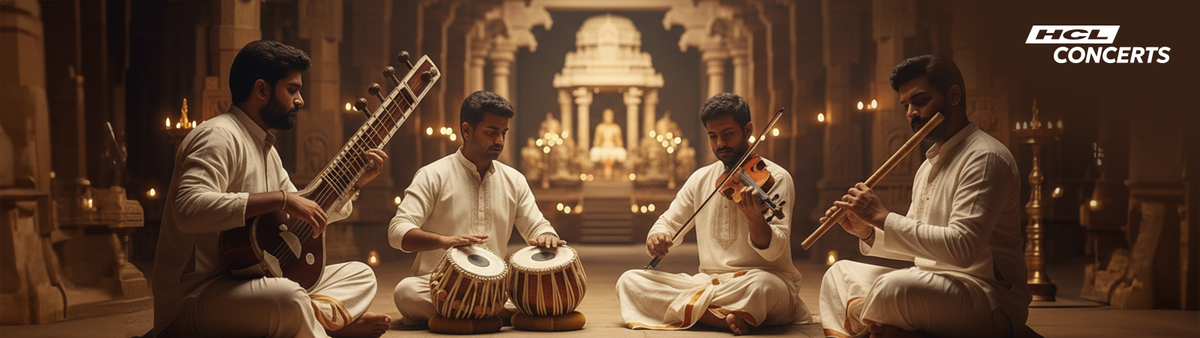
Carnatic music is part of everyday life in clear and familiar ways. You hear it during temple rituals and festivals, with soft flute notes in early-morning prayers and gentle violin sounds at weddings. It trains your ear to catch fine musical details and emotions, which slowly shape how you understand devotion and feeling. In many families, music lessons start early and help build focus, memory, and a natural sense of rhythm that supports other art forms, too. In both cities and small towns, sabhas and their yearly music seasons set a cultural rhythm that people follow with the same respect given to religious celebrations.
Carnatic Music and South Indian Traditions
Here, the music acts as a bridge between ritual and aesthetics. During temple ceremonies, certain ragas are chosen to suit the deity, the time of day, or the season; raga Bhairavi, for instance, carries a devotional solemnity at dawn. Wedding ceremonies often include vocal and instrumental pieces that mark key moments in a melodic way of marking life transitions. Folk traditions and classical practice also converse: percussion forms used in village festivals inform mridangam technique in concert halls. The net effect is a living tradition that embeds itself in rites of passage, devotional practice and communal memory.
Signs of Decline: Is Carnatic Music Losing Its Audience?
Walk into any coffee shop or scroll through your Spotify playlists, and you’ll notice something: full-length Carnatic classical songs are nowhere to be found. Younger listeners are drawn to quick hits that match their pace, a five-minute reel, not a twenty-minute alapana. And honestly, in a world that rewards speed and convenience, it’s hard to blame them.
The real problem is that popular and digital music have claimed most of the listening space we have. Traditional Indian music, especially Carnatic music, gets squeezed into concert halls and weekend festivals. For most people, there’s simply no regular exposure, no casual encounter with it, the way previous generations had.
For the musicians themselves, the pressure is real. Steady performance opportunities have dried up, competition has intensified, and the pressure to build an online presence when you’re trained in a centuries-old oral tradition? That’s a lot to ask. But here’s the thing: this isn’t the end of the story. It’s a turning point. And turning points demand creativity, not resignation.
Steps Taken to Prevent the Decline of Carnatic Music
Organisations like HCL Concerts have figured out that saving Carnatic music doesn’t mean choosing between the old ways and the new. They’re doing both: hosting packed concert halls while streaming online baithaks, creating digital content that actually holds people’s attention, and running talent hunts that showcase emerging artists to audiences far beyond local sabhas. These dual approaches work because they meet classical india music where people actually are, online and offline, young and old.
But infrastructure alone doesn’t sustain a tradition. You need education. Gurukuls and modern music schools teach the grammar of ragas while adding context for contemporary listeners. Festivals and sabhas programme young artists alongside legends, deliberately building interest and continuity. Finally, collaborations with film composers and popular musicians introduce ragas in accessible settings, seeding curiosity among listeners who might otherwise never meet a kriti live.
Impact of Carnatic Music on Modern South Indian Society
Carnatic music shapes emotional literacy. The concept of rasa, the emotion a raga evokes, trains you to recognise nuanced moods: devotion, heroism, peace. That sensitivity flows into theatre, dance, cinema and even public life. Film composers from South India, including legends like Ilaiyaraaja and A. R. Rahman, drew on Carnatic motifs to create songs that moved millions, proving classical musical ideas can become mainstream with the right interpreter. Their fusion work shows how tradition becomes a resource for modern storytelling and mass culture.
Institutions and Academies Supporting Carnatic Music in South India
The Music Academy, Madras HCL Concerts
The Music Academy, Madras, is a century-old pillar that has shaped standards, archived scholarship, and anchored the December music season for generations. It organises annual conferences, nurtures scholarship and gives aspiring musicians a platform to be seen and heard. HCL Concerts partners with institutions like the Music Academy to widen the audience and host curated performance series that keep the tradition in public view.
Regional Sabhas and Cultural Organisations
Across Tamil Nadu, Karnataka, Andhra Pradesh and Kerala, regional sabhas programme monthly concerts, lecture-demonstrations and youth festivals. These bodies act as community anchors: they fund artists, curate repertoires, and keep the social calendar alive.
Music Schools and Gurukuls
From classical gurukuls, where students live with their guru, to urban conservatories that blend theory and practical training, teaching models are diverse. Contemporary music schools also teach recording, stagecraft and digital promotion so that artists can navigate the modern marketplace.
The Future of Carnatic Music
Picture a future where tradition and technology work together. Digital streaming, podcasts, and short videos can serve as easy entry points, where even a brief clip can introduce a raga and inspire someone to attend a concert. Institutions are already exploring storytelling formats, podcasts and cross-genre collaborations to reach younger ears. Digital marketing and audience-building specialists help artists tell their story online; agencies that work across culture and tech provide the growth strategies that heritage art needs to sustain itself. If you want to support this future, attend live shows, follow artist channels, and share performances that moved you.
Conclusion
Carnatic music is not a museum piece. It is a living, breathing art that colours South Indian life, offers you a unique emotional vocabulary and fuels contemporary creativity. Yes, the audience is changing, and the challenges are real. Still, the solutions are imaginative: partnerships between sabhas and digital platforms, cross-genre collaborations, and educational outreach that makes classical grammar feel alive. Immerse yourself in a concert, listen for the raga that suits a rainy afternoon or a quiet morning, and you will see how this music continues to shape identity, ritual and the modern soundscape.