Time Theory of Ragas in Indian Classical Music
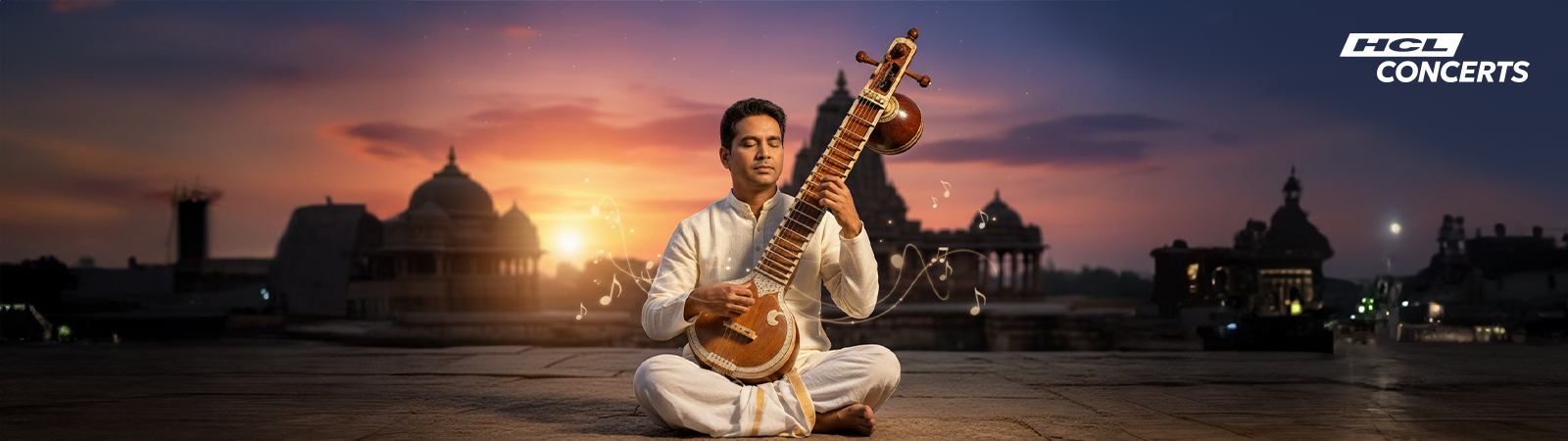
2026-01-08Picture this. You wake before sunrise and step onto your balcony. The sky is soft grey, the city is still yawning, and a lone pigeon cuts through the cool air. Somewhere nearby, a slow melody seems to breathe with the morning, not loud, not showy, just right for that quiet hour. That gentle alignment between a tune and a moment is what the time theory of ragas is all about. It is not a rule learned first from a book, but a feeling that a particular melody belongs to a specific time of day.
As you move through the day, music seems to move with you. A cheerful tune feels like mid-morning sunlight on your teacup. An intimate song makes the evening feel like a softly lit room. A late-night melody can feel like a lone heartbeat in the dark. In much the same way that a film director chooses music to match a scene, musicians in Indian classical traditions have long used time to shape how a raga is played and felt.
What Is the Time Theory of Ragas?
Think of a raga as a mood shaped by a small set of notes. The time theory suggests that certain moods feel more natural at specific hours of the day. Some ragas feel open and calm at sunrise, while others feel deeper and more reflective after sunset. When a raga is heard at the right time, it settles easily into the listener’s ears.
It is like choosing the right pace for a walk. You would not rush early in the morning, nor would you stroll lazily when the day calls for energy. Ragas follow the same logic, guiding emotion through time with quiet precision.
Classification of Ragas Based on Time
Early morning ragas
Early morning ragas feel gentle and unhurried. They rise slowly, much like the day itself. If you have ever listened to a soft prayer or instrumental music at dawn and felt your breathing slow down, you already recognise this mood. These ragas help you wake up without pulling you too quickly into the noise of the day.
Late morning or mid-day ragas
Late morning ragas feel brighter and more active. They suit a time when the mind is alert and focused. The notes feel steady and confident, much like the rhythm of daily work settling into place. These ragas reflect the clarity and movement of full daylight.
Afternoon ragas
Afternoon ragas feel relaxed and unhurried. By this time, the rush of the day eases, and the music mirrors that shift. The notes move smoothly, with gentle pauses that give you room to breathe. It is the kind of sound that fits a quiet moment, when you sit back, look out of the window and let your mind drift without effort.
Evening ragas
Evening ragas carry a deeper mood. As the light begins to fade, these ragas grow richer and more expressive. They often evoke feelings of reflection, warmth and a gentle pull of emotion. This is music that feels right during unhurried conversations, shared silences and the slow winding down that follows a full day.
Late-night or midnight ragas
Late-night ragas are intimate and inward-looking. They are not loud or dramatic. Instead, they unfold slowly, allowing silence to play its part. These ragas feel like honest thoughts that surface when the world has gone quiet and you are left with yourself.
Time Theory Ragas in Ancient Carnatic Music
The link between time and melody is not limited to one tradition. Ancient Tamil music also recognised that certain sounds belonged to specific hours and moods. This shows that across regions, people observed the same truth. Music feels stronger when it aligns with the rhythm of the day. Different names and systems existed, but the shared understanding remained.
Time Theory in Hindustani Classical Music
In Hindustani music, the link between time and raga slowly became part of how performances were shaped. Many musicians think of a concert as a day unfolding, where each raga fits its moment and the mood shifts without force. Today, platforms such as HCL Concerts continue to honour this way of presenting music. Through carefully curated live and digital performances, they help listeners hear ragas in settings that feel true to their nature, whether experienced in a concert space or from home.
Why Time Theory Matters in Learning Music
When you learn ragas with an awareness of time, your listening becomes sharper and more sensitive. You begin to hear how phrases relax or rise depending on the hour. Practising an evening raga as the sun sets often feels more natural, as the atmosphere supports the sound. Even for listeners, this understanding deepens the experience. You start recognising when a melody feels at ease and when it feels slightly out of place.
Conclusion
The time theory of ragas is not meant to restrict music. It acts more like a quiet guide that allows sound to flow freely. When a melody meets the time it suits best, it often feels fuller and more sincere. The next time you listen to a raga or sit through a live performance, pay attention to the hour. You might notice the music settling into you gently, as if it arrived exactly when it was meant to.