From Varnam to Tillana: The Flow of a Carnatic Music Performance
2026-04-06Carnatic music is one of the oldest forms of classical music in India. It has a rich history and a clear structure. A Carnatic music concert is not random. It follows a planned flow that helps both the artist and the listener stay engaged. If you attend a live Carnatic music performance, you will notice how each part connects to the next. The concert begins with structured pieces and slowly becomes more detailed. It reaches a peak and then gently comes to a close. This journey is what makes the experience special. For someone new, it may seem complex. But once you understand the flow from varnam to tillana, it becomes easier to enjoy.
What Happens in a Carnatic Music Concert?
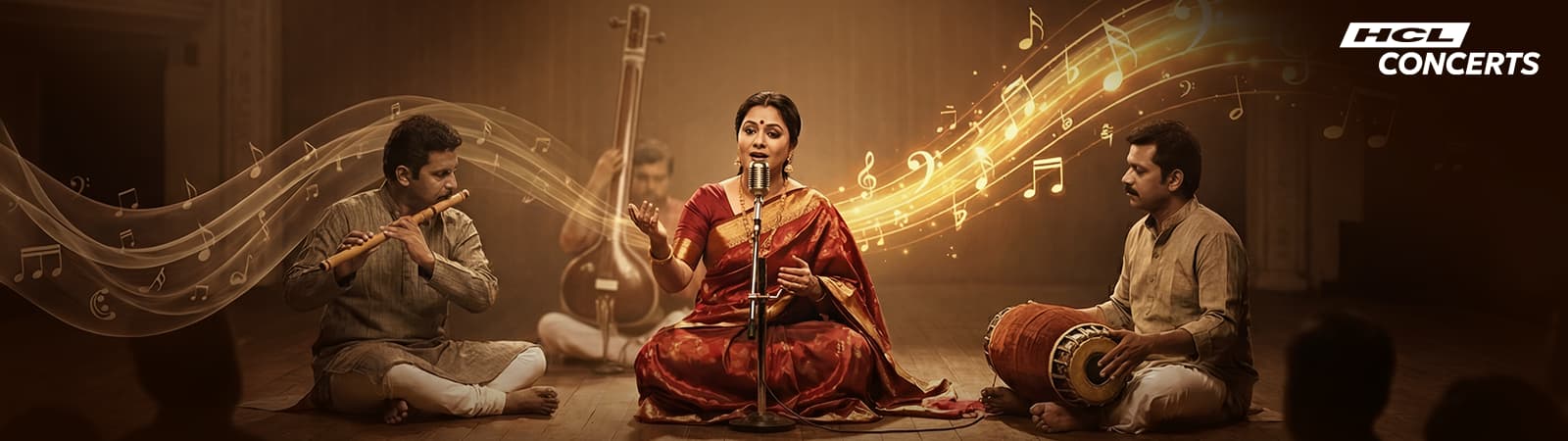
A Carnatic music concert usually lasts between one and three hours. It can be vocal or instrumental. The main artist is supported by other musicians. These include violinists and percussion players like the mridangam artist. The concert is built on two main ideas. These are raga and tala. Raga is the melody. Tala is the rhythm. Every piece in the concert follows these ideas.
The artist performs a mix of composed pieces and improvisations. Some parts are fixed compositions, while others are created on the spot. This balance is what makes Carnatic music both structured and creative. You will hear many classical music songs during the concert. Some are devotional, and some focus on musical beauty. Each one adds a different mood to the performance.
Understanding the Overall Concert Structure
A Carnatic music performance follows a clear and thoughtful journey. It begins with a simple and steady start that helps both the artist and the audience settle in. From there, the concert builds gradually. Each piece adds more depth, detail, and energy. As the performance progresses, it reaches a powerful peak where creativity and technical skill come together. After this high point, the concert gently slows down and moves into lighter, more relaxed compositions. This natural flow keeps the listener engaged from beginning to end. It also gives the artist the space to explore, express, and connect with the audience at every stage.
| Stage | What Happens | Why It Matters | Energy Level |
|---|---|---|---|
| Opening | Varnam | Helps the artist warm up and set the tone | Medium |
| Build | Kritis | Introduces melody and develops the mood | Medium–High |
| Exploration | Alapana | Shows the raga in a slow and detailed way | Low–Medium |
| Creativity | Neraval & Kalpana Swaras | Adds improvisation and variation | High |
| Peak | Main Piece | Brings out the best of the performance | Very High |
| Rhythm Focus | Thani Avarthanam | Highlights rhythm and percussion | High |
| Closing | Tillana | Ends the concert on a lively note | High |
Varnam: The Opening Piece
The concert usually begins with a varnam. A varnam is designed to warm up the voice or instrument. It helps the artist settle into the raga and tala. It also gives the audience a clear idea of the musical tone for the day. There are different types of varnams.
| Type of Varnam | Focus | When Used |
|---|---|---|
| Pada Varnam | Expressive, lyrical | Dance performances |
| Tana Varnam | Musical patterns, swaras | Concert openings |
Some focus more on melody. Others highlight rhythm. They include both lyrics and swara patterns. Even though it is the opening piece, it is not simple. It requires strong control and clarity. That is why it is used to set the stage for the rest of the Carnatic music concert.
Kritis: The Core Compositions
After the varnam, the artist performs kritis. Kritis are the main classical music songs in Carnatic music. Composed by great composers, they follow a clear structure. Each kriti carries meaning, emotion, and musical depth. To understand how a kriti is built, it helps to look at its basic structure. Each part plays a role in shaping the composition.
| Section | Meaning | Role in Composition |
|---|---|---|
| Pallavi | Opening line | Introduces theme |
| Anupallavi | Second section | Expands idea |
| Charanam | Final section | Completes composition |
This structure gives balance to the composition. It also makes it easier for the listener to follow the flow of the song. These compositions form the heart of the concert. Some kritis are short and simple. Others are more detailed and expressive. The artist may add small improvisations while performing them. Kritis help build the flow of the performance. They slowly take the Carnatic music concert to a higher level.
Alapana: Exploring the Raga
Alapana is a form of improvisation. It focuses only on the raga. There are no lyrics and no fixed rhythm. In this part, the artist explores the raga step by step. They bring out the mood, range, and character of the raga. It is slow and detailed. Alapana allows the listener to understand the raga deeply. It also shows the artist’s creativity and control. This section is an important part of any Carnatic music performance.
Neraval: Creative Variation Within a Line
Neraval is another form of improvisation. It is done using a single line from a kriti. The artist repeats the same line but changes the melody each time. The rhythm stays constant. This creates variation while keeping the original meaning. Neraval requires balance. The artist must stay within the structure while still being creative. This part adds depth to the concert and keeps the audience engaged.
Kalpana Swaras: Playing with Notes
Kalpana swaras are improvised note patterns. Here, the artist uses swaras instead of lyrics. The notes are arranged in creative ways. They follow the tala and end at the correct point in the composition. This section often becomes lively and energetic. It shows the artist’s command over rhythm and melody. Kalpana swaras are one of the most exciting parts of a Carnatic music concert.
The Main Piece
The main piece is the highlight of the concert. It usually comes in the middle or later part of the performance. This section includes a detailed alapana. It is longer and more expressive than earlier ones. The artist explores the raga in depth. After the alapana, the kriti is performed. Then come neraval and kalpana swaras. These are done in a more elaborate way. The main piece brings together all aspects of Carnatic music. It shows melody, rhythm, and creativity at their best. For many listeners, this is the most memorable part of the Carnatic music performance.
Thani Avarthanam – Drum Solo Section
After the main piece, the percussion section takes the spotlight. This is called the Thani Avarthanam. It is led by the mridangam artist, often joined by other percussion instruments. Other percussion instruments may also join. This section focuses on rhythm. The artists play patterns based on the tala used in the main piece. They create complex sequences while staying within the rhythmic cycle. The Percussion section is an important part of the concert.
How the Concert Winds Down
After the main sections, the concert becomes lighter. The artist performs shorter and more relaxed pieces. These may include devotional songs or simple compositions. They are easy to follow and pleasant to listen to. This part prepares the audience for the end of the concert.
The concert usually ends with a tillana. A tillana is lively and rhythmic. It focuses on musical syllables rather than deep lyrics. It is fast and energetic. It leaves the audience with a sense of joy. This ending brings a strong close to the Carnatic music concert. Many concerts conclude with a short mangalam, which is a closing piece that offers a sense of completion and gratitude.
How to Follow a Carnatic Concert as a Beginner
If you are new to Carnatic music, it may feel overwhelming at first. But you can enjoy it with a few simple steps.
- Start by listening to the overall flow. Notice how the concert moves from slow to fast.
- Pay attention to repetition. Many parts repeat with small changes. This helps you follow the structure.
- Focus on the mood of the raga. Each one has a different feel. You do not need technical knowledge to enjoy it.
- Watch the interaction between artists. The main artist and accompanists respond to each other. This makes the performance lively.
Most importantly, listen with an open mind. Over time, the patterns will become familiar.
Conclusion
A Carnatic music performance is a carefully planned journey. It begins with a varnam. It builds through kritis and improvisation. It reaches its peak with the main piece. Then it slows down and ends with a tillana. Each part has a purpose. Together, they create a complete musical experience. Once you understand this flow, a Carnatic music concert becomes easier to enjoy. You start to notice the details. You begin to appreciate the skill and creativity of the artist. Whether you are new or experienced, this journey from varnam to tillana always offers something special.