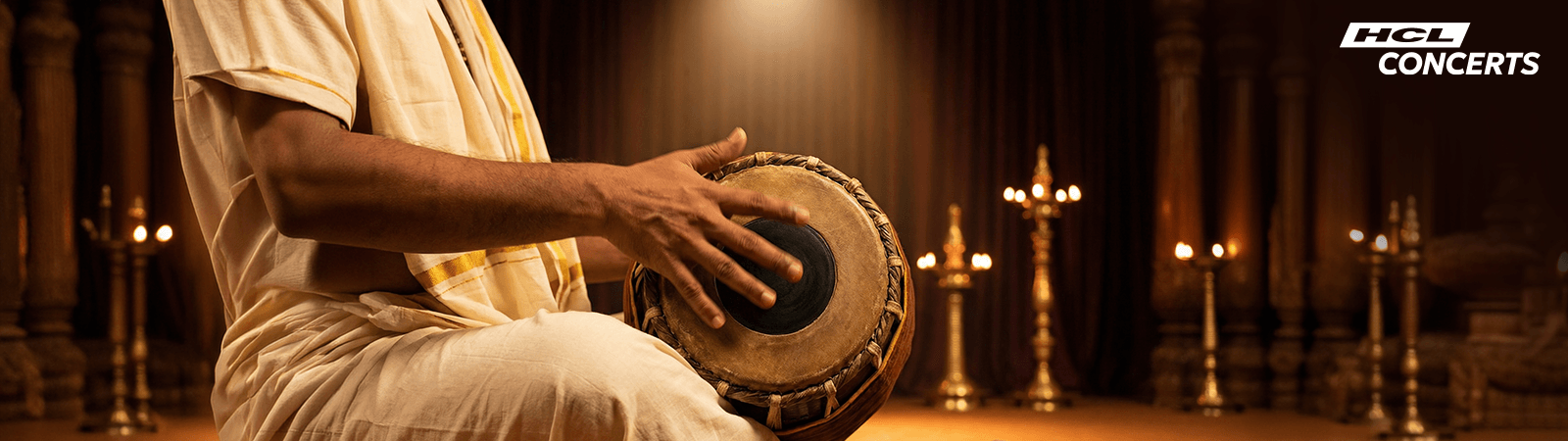
Mridangam in Carnatic Music: Rhythm, Technique, and Tradition
2026-02-20Have you ever felt your heartbeat sync with the rhythm of a percussion instrument during a live concert? That’s the magic of the mridangam, the soulful heartbeat of Carnatic music.
As you immerse yourself in the world of classical South Indian music, you notice how rhythm guides every note, every pause, and every crescendo. The mridangam stands at the center of this experience, weaving structure and spontaneity into a seamless musical journey.
At platforms like HCL Concerts, the magic of percussion is celebrated with warmth and reverence, inviting you to listen deeper and feel more. Join us as we explore rhythm, craftsmanship, and tradition, and discover why the mridangam remains the soul of classical music performances across generations.
Origin and Cultural Significance of Mridangam
The mridangam carries centuries of tradition within its wooden frame and resonant skin. In ancient India, percussion was closely linked to temple rituals and dance. Over time, the mridangam became central to Carnatic classical music, shaping how rhythm supports melody and emotion.
You can trace its presence across:
- Temple performances and devotional gatherings
- Classical dance forms like Bharatanatyam
- Traditional storytelling and musical recitals
The name itself comes from Sanskrit, mrid (clay) and angam (body). Earlier versions were crafted from clay before evolving into the wooden form you see today. Even now, the mridangam symbolises discipline, spirituality, and artistic mastery. When you hear it during a performance, you are listening to centuries of living heritage.
Craftsmanship of the Mridangam
Before a single rhythm is played, a mridangam undergoes an intricate process of creation. Each instrument is handcrafted with precision and patience. The making of a mridangam is an art.
- Wood selection: Craftsmen use jackfruit wood for durability and resonance. The hollowed shell shapes the instrument’s tonal depth.
- Drumheads: Both sides are covered with layers of animal skin. Each layer affects pitch and sound texture.
- Black tuning paste: A special paste made from iron filings and rice is applied to create the signature tonal quality.
- Fine-tuning: Leather straps and wooden pegs help adjust pitch, ensuring harmony with vocalists and instruments.
Every mridangam is unique. The sound it produces depends on craftsmanship, material, and the artist who plays it.
The Mridangam’s Role in Laya (Rhythm)
Rhythm in Carnatic music is called laya. It is the framework that holds melody together. Without laya, even the most beautiful composition loses structure. The mridangam becomes the guide that keeps musicians aligned and audiences engaged.
You will notice its role clearly during a performance:
- It establishes tempo at the beginning
- Maintains rhythmic consistency
- Highlights transitions and climaxes
- Enhances emotional expression
When the vocalist slows down or speeds up, the mridangam follows instantly. It does not just keep time; it interprets and responds. Think of it as a conversation. Every beat supports the melody, making the performance feel alive and complete.
Mridangam Techniques and Playing Styles
Playing the mridangam requires precision, coordination, and deep listening. Every stroke has a purpose and a distinct sound.
Let’s explore the core techniques that bring rhythm to life:
- Finger strokes and palm use: Artists use their fingertips, palms, and wrists to produce a range of tones. Each touch creates a different texture.
- Coordination between both sides: The right side produces sharper tones, while the left adds bass depth. Balance is key.
- Mora and Korvais: These are rhythmic patterns played towards the end of a segment. They create excitement and anticipation.
- Improvisation: During solos, artists experiment within rhythmic boundaries, showcasing creativity and mastery.
Every performance becomes unique because of this improvisation. No two concerts sound the same.
Mridangam in Concert Performance
Imagine sitting in a concert hall, waiting for the first note. As the vocalist begins, the mridangam gently joins in. The collaboration is immediate and magical. The mridangam plays multiple roles on stage:
- Supporting the main artist: It complements the vocalist or instrumentalist without overpowering them.
- Responding to musical phrases: Each melodic line receives a rhythmic reply, creating dialogue.
- Adapting to tempo changes: When compositions shift pace, the mridangam adjusts seamlessly.
- Building climactic moments: Complex patterns during finales add excitement and grandeur.
During percussion solos, the spotlight shifts. You witness the full expressive power of rhythm – dynamic, playful, and deeply engaging.
Learning Mridangam: Tradition and Training
Have you ever considered learning the mridangam? It is a journey that demands patience and dedication. Traditionally, students were trained under a guru through the gurukula system. Learning happened through observation, repetition, and constant practice.
Today, training blends tradition with modern accessibility:
- One-on-one mentorship with experienced artists
- Online classes and workshops
- Structured music school programmes
- Practice with digital metronomes and recordings
But the essence remains unchanged: discipline and consistency.
You learn to listen deeply, maintain posture, and practice daily. Over time, rhythm becomes second nature.
Famous Mridangam Artists in Carnatic Music
Extraordinary percussionists have shaped every era of classical music. Their artistry continues to inspire new generations.
Some legendary names include:
- Palghat Mani Iyer: Known for redefining accompaniment with sensitivity and precision.
- Umayalpuram Sivaraman: Celebrated for technical brilliance and innovation.
- T. K. Murthy: Revered for clarity, tradition, and rhythmic depth.
Their performances demonstrate how percussion can elevate an entire concert. Listening to them is like witnessing rhythm come alive.
Cultural Impact of Mridangam in Carnatic Music
The influence of the mridangam extends far beyond concert halls. It shapes cultural identity and artistic expression.
You can feel its impact in:
- Classical dance performances
- Devotional music and temple festivals
- Music education and youth training
- Global appreciation of classical South Indian music
As audiences grow more curious about Indian traditions, the mridangam continues to captivate listeners worldwide. Its rhythms connect generations, bridging heritage and modern creativity.
Conclusion
The mridangam is more than an instrument. It is the rhythmic soul of Carnatic classical music. From its handcrafted origins to its powerful presence on stage, it brings structure, emotion, and energy to every performance.
As you explore the world of classical music, let rhythm guide your journey. Attend a live concert, listen closely to percussion, and experience how every beat shapes the musical story. At HCL Concerts, this legacy continues to thrive. Through concerts and cultural experiences, you are invited to celebrate tradition, discover artistry, and feel the pulse of music like never before.