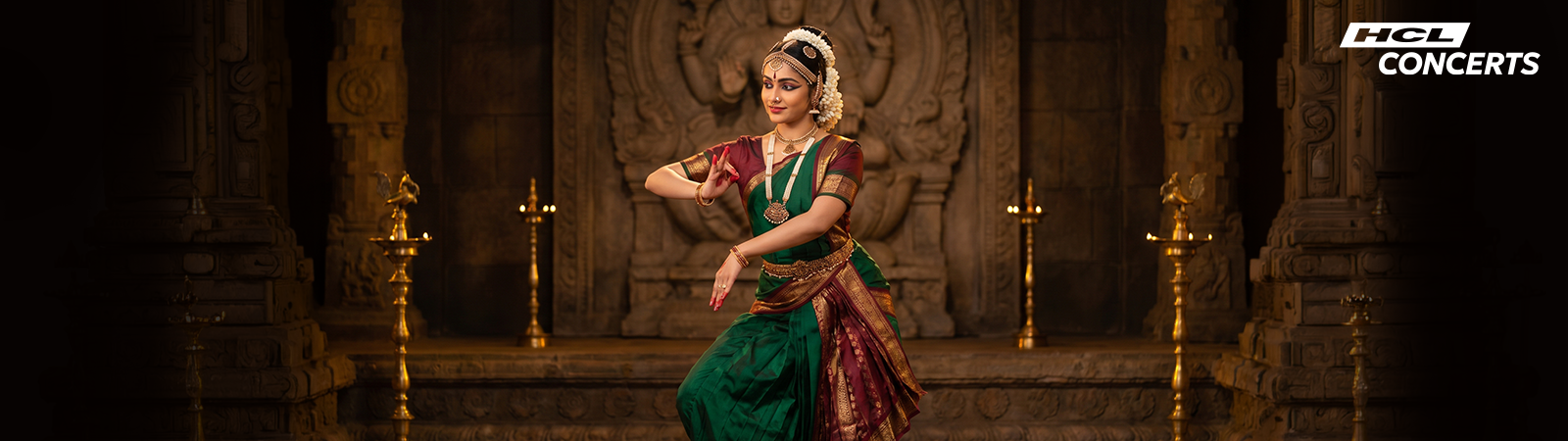
What Makes Odissi One of India’s Most Graceful Dance Forms?
2026-06-26There is a moment in every Odissi dance performance when the music slows, the dancer’s body curves into a perfect S-shape, and the entire audience holds its breath. That is the power of Odissi classical dance; it does not just entertain; it transports you. Born in the temples of Odisha and refined over two millennia, this classical Indian dance form carries within it stories of devotion, longing, joy, and surrender.
Every hand gesture, every flicker of the eye, every ripple of the torso is a word in a language older than most written scripts. Whether you are encountering it for the first time or returning to it as a lifelong lover of the arts, Odissi has a way of reaching something deep. Join us as we uncover what makes this Odissi dance form one of the most beautiful and enduring traditions India has ever produced.
Odissi: India’s Oldest Surviving Classical Dance Form
Look closely at the stone carvings on the walls of the Udayagiri and Khandagiri caves in Odisha, chiselled over 2,000 years ago, and you will see Odissi. It has the same postures, the same tilted hip, and the same graceful, arched arms. No other classical dance form in India carries proof of its existence so far back in time.
From Temple Ritual to Concert Stage
For centuries, Odissi was performed exclusively by Maharis, women dedicated to temple service in Odisha’s great shrines, particularly the Jagannath Temple in Puri. Dance was an offering to the divine. In the 20th century, visionary gurus, especially Guru Kelucharan Mohapatra, systematised the form, gave it grammar and structure, and brought it from sacred precincts to concert stages worldwide. What was once a temple ritual became a recognised classical Indian dance tradition, formally acknowledged by the Sangeet Natak Akademi in 1958.
The History of Odissi Dance
Odissi’s roots run deep into multiple streams of Indian history. The Natyashastra, composed around 200 BCE and 200 CE, references an Odra-Magadhi style of dance, widely considered one of Odissi’s earliest ancestors. Sculptural evidence from the Brahmeswara and Rajarani temples in Bhubaneswar, dating to the 10th and 11th centuries, shows postures almost identical to those performed today.
The Abhinaya Chandrika, a medieval Odia text on dance, further codified the movement vocabulary that Odissi practitioners still draw from. This unbroken thread, from ancient scripture to medieval temple, from colonial suppression to post-Independence revival, is precisely what gives Odissi performance its extraordinary depth and resonance.
Highlights and Special Features of Odissi Dance
Watching Odissi movements for the first time is an experience unlike any other. Before you understand a single gesture, your eye is already drawn to the sheer visual beauty of the form.
The Tribhangi Stance
The Tribhangi, meaning “three bends”, is Odissi’s most iconic posture. The head tilts one way, the torso curves opposite, and the hip shifts in a third direction, creating a flowing S-curve from crown to foot. It is simultaneously architectural and organic, like a willow branch caught mid-sway. This stance gives Odissi its signature lyrical quality, making every still moment look like a painting lifted straight from the Konark Sun Temple.
Fluid Movements vs Sharp Angles
If you know Bharatanatyam, you will notice the difference immediately. When comparing Odissi vs Bharatanatyam, Bharatanatyam is angular, percussive, and earth-rooted, every stamp a conversation with the ground. Odissi, by contrast, is wave-like and aerial, where the body undulates. The transitions between postures flow rather than snap. Where Bharatanatyam commands, Odissi invites.
Costume and Jewellery
The visual identity of an Odissi dancer is very specific. The artist wears a rich silk saree, often in deep reds, golds, or greens, draped in the traditional Odia style, with a distinctive fan-like pleating at the front. The jewellery is silver, intricately filigree-worked, and mirrors the ornaments worn by the divine figures on the Konark temple walls. A crown of fresh flowers completes the look. Together, it is less a costume than a living sculpture.
The Emotion Behind the Movement: Storytelling in Odissi
Odissi does not just move, it speaks, and every performance tells a story that becomes religious. The subject matter is almost always drawn from the rich spiritual literature of Odisha, centred on the divine love of Radha and Krishna.
Abhinaya: Speaking Through the Face and Eyes
Abhinaya, the art of expression, is where Odissi performance becomes truly extraordinary. The eyes widen with wonder, narrow with longing, soften with tenderness, and flash with playfulness. The eyebrows rise and fall like punctuation. The lips part into a barely-there smile that says everything. Imagine watching a dancer express the ache of separation from someone she loves, without a single spoken word and with a feeling that hits you right in the chest; that is Abhinaya.
Devotion at the Heart of Odissi
Devotion lies at the heart of Odissi, a dance form deeply rooted in the temple traditions of Odisha. Many traditional Odissi compositions draw from stories of Lord Jagannath, Radha, and Krishna, where dancers use expressive gestures, facial expressions, and movement to convey faith, love, surrender, and spiritual connection.
The Music That Moves with the Dancer
In Odissi, music and dance are not separate; they breathe together. The musical tradition of Odissi is its own world, distinct from Carnatic or Hindustani classical music, rooted in the Odishi style of classical singing.
Odissi Ragas and Talas
Odissi music draws on specific ragas, such as Kalyana, Shree, and Kedar, that evoke the moods of devotion and longing central to the dance. The rhythmic cycles (talas) used, such as Ektali and Jhamptal, have their own Odia character. The music does not accompany the dancer; it converses with her.
Instruments You’ll Hear at a Performance
Each instrument adds a distinct texture, and together they create the sonic landscape within which the dancer moves. A typical Odissi performance features:
- Mardala: The barrel-shaped Odia drum that drives the rhythm.
- Sitar or Violin: Carrying the melodic line.
- Bansuri (flute): Evoking Krishna, always present in spirit.
- Harmonium: Supporting the vocal base.
- Manjira (cymbals): Marking the beat with clarity.
Artists Who Brought Odissi to the World
Odissi’s journey from Odisha’s temples to global concert stages was made possible by a handful of visionary artists whose dedication changed everything.
Sanjukta Panigrahi and Other Torchbearers
- Guru Kelucharan Mohapatra is considered the father of modern Odissi, the man who codified its grammar and trained a generation of dancers who would carry the form worldwide.
- Sanjukta Panigrahi, his most celebrated disciple, became the face of Odissi internationally, performing across Europe and the Americas and bringing tears to audiences who had never seen an Indian classical dance form before.
- Madhavi Mudgal brought her own refined sensibility to the form, deepening its meditative quality.
Conclusion
Odissi dance is not a relic preserved in a museum; it is a living, breathing language, still evolving, still moving audiences to silence and then applause, still telling the same eternal stories of love and devotion with breathtaking beauty. From the ancient carvings of Udayagiri to the concert halls of Delhi and beyond, Odissi carries centuries of grace within every performance. Discover more celebrations of India’s classical traditions at HCL Concerts, where heritage meets the present, every time the curtain rises.